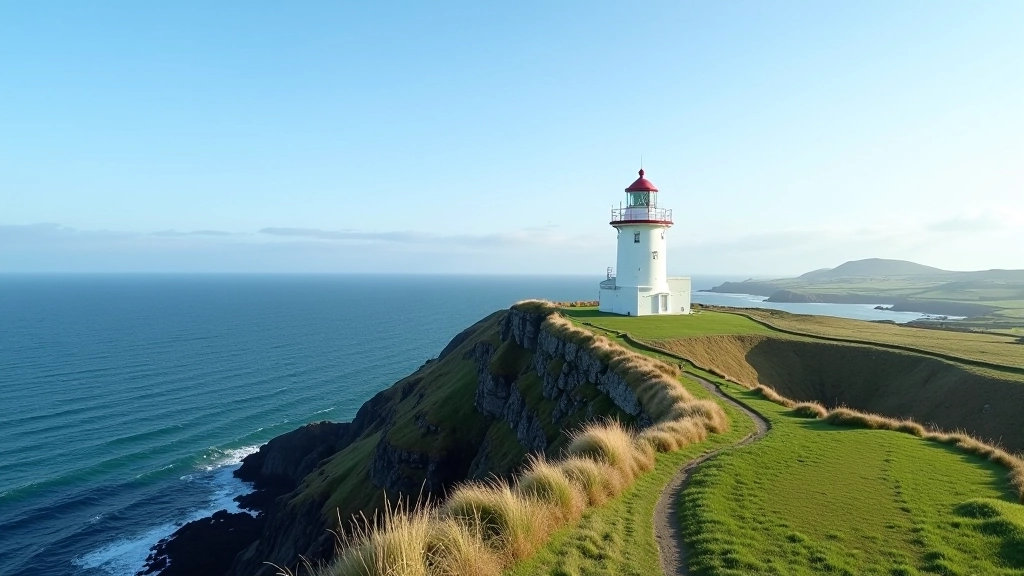
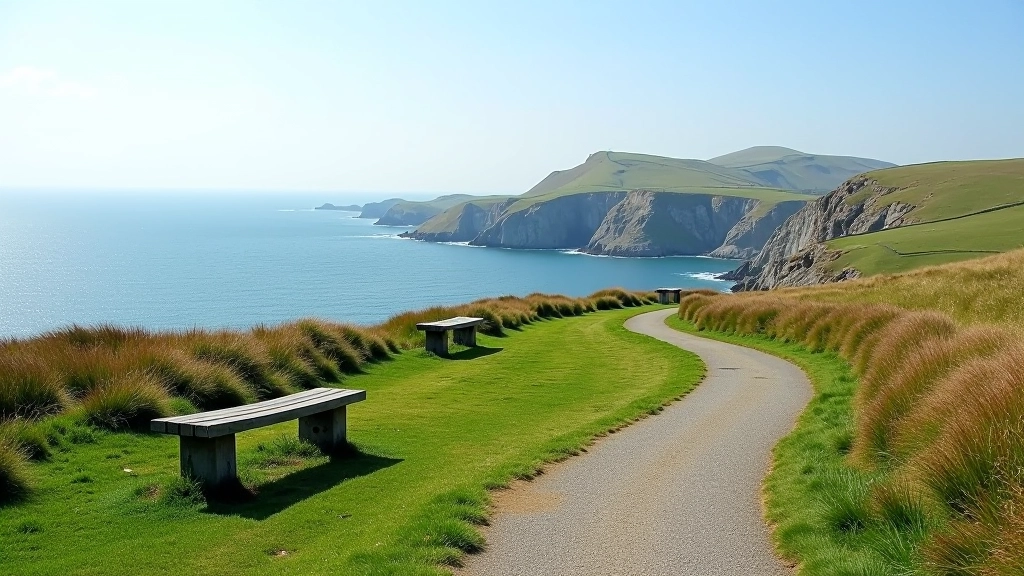

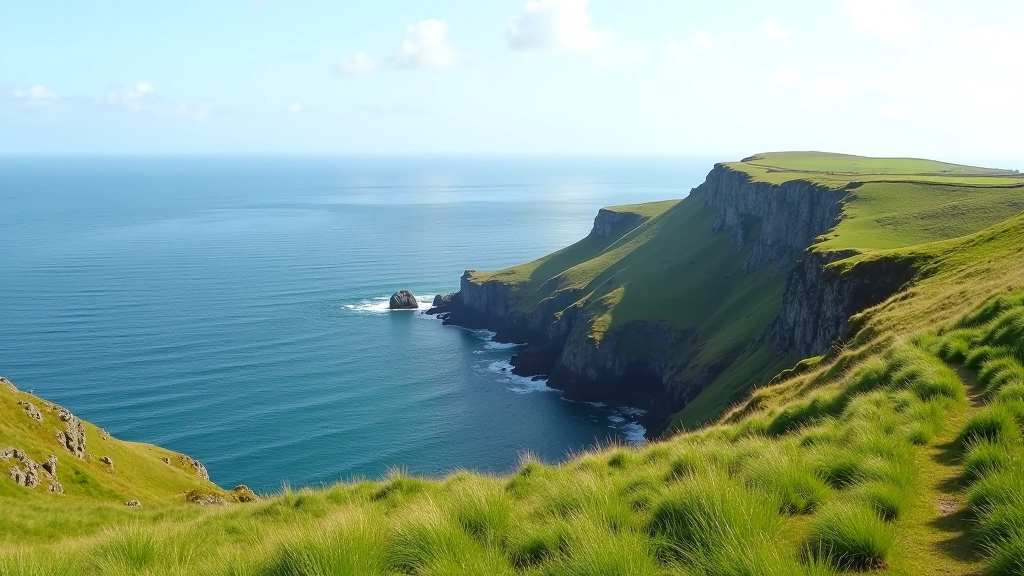
The Clifftop Rest Stop Trail isn't your typical coastal walk. It's been specifically designed for walkers who want dramatic views without having to push themselves too hard. You'll find benches positioned at natural breaking points, allowing you to catch your breath while taking in some of the most spectacular scenery on Valentia Island.
We've walked this route dozens of times, and it never gets old. The combination of open grassland, rocky outcrops, and that constant ocean presence makes it feel special every single time.
Why This Trail Works for Older Walkers
The trail doesn't demand much in terms of technical difficulty. It's mostly flat to gently rolling terrain across open grassland. The main challenge isn't the walking itself — it's managing the wind that comes off the Atlantic. Even on calmer days, you'll feel a decent breeze, so dress accordingly.
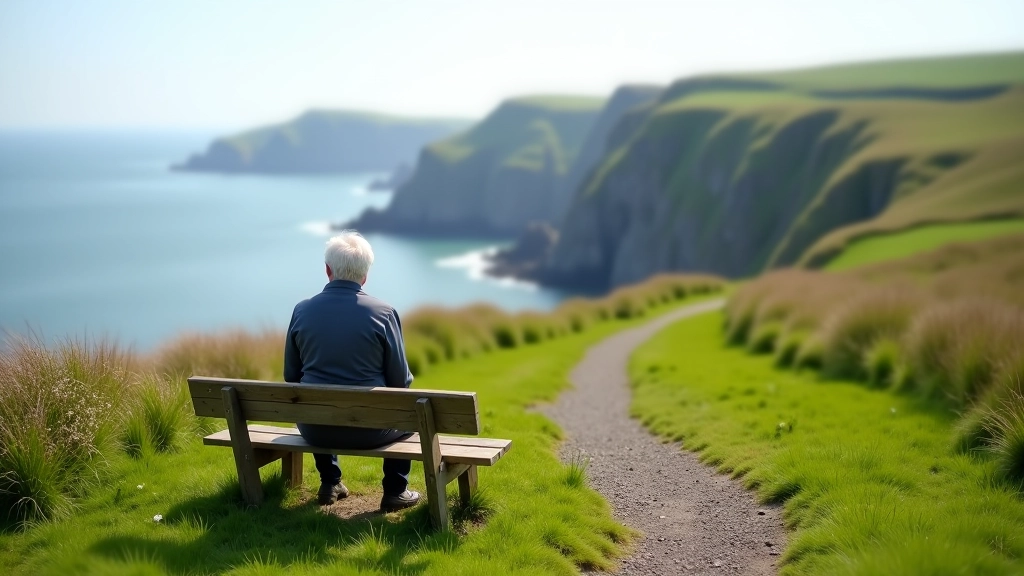
The four strategically placed benches make all the difference. Rather than pushing to some distant destination, you can take breaks whenever you need them without feeling like you're struggling. Most people spend 10-15 minutes at each stop, which is plenty of time to recover and actually absorb the views.
Surface conditions vary throughout the year. Summer months offer the easiest walking — the grass is dry and well-worn. Spring and autumn can be muddier, particularly after rainfall. Winter's doable but demands proper waterproofs and sturdy shoes with good grip.
The Four Rest Stops: What to Expect
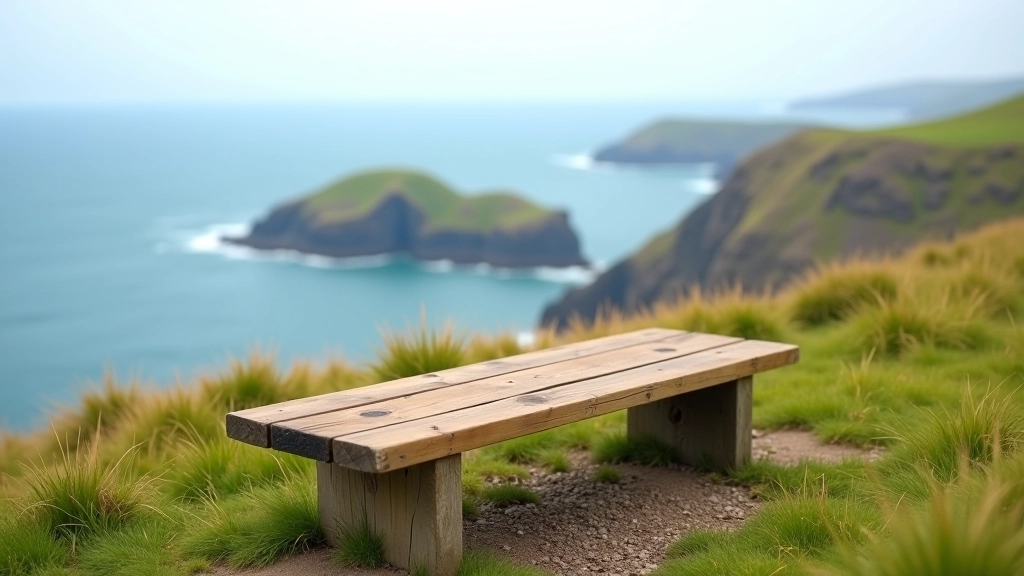
Each bench has its own character, and they're positioned to give you different perspectives on the coastline. The first stop appears after about 30-35 minutes of walking. It's slightly sheltered and gives you views down the western cliff face.
Stop two arrives about 45 minutes into your walk. This is where many people take a longer break — the views are genuinely stunning here. You can see across to the Skellig Islands on clear days. We've sat here for 20-30 minutes plenty of times just watching the light change on the water.
The third bench sits at roughly the halfway point. It's more exposed, so the wind can be noticeable, but the views extend the full sweep of the coastline. This is a good spot to eat a snack or drink water before heading back.
The final bench is positioned on the return leg, giving you a chance to rest before the walk's final stretch. It's become a tradition for many walkers to sit here and reflect on the route before heading home.
What to Bring
The wind here isn't optional — it's a constant presence. A good windproof layer is essential. Waterproof jackets are worthwhile even when the forecast looks dry. The exposed position means weather can change quickly. Bring water (at least 500ml), some light snacks, and sunscreen. The sun reflects off the water, and you'll burn faster than you expect.
Timing and Accessibility Details
The walk takes most people between 1.5 and 2 hours depending on how long you spend at each stop. There's no pressure to rush. Some walkers take 3 hours and that's perfectly fine. The route's popularity means it's never completely empty — you'll almost certainly encounter other walkers, which provides a subtle safety benefit.
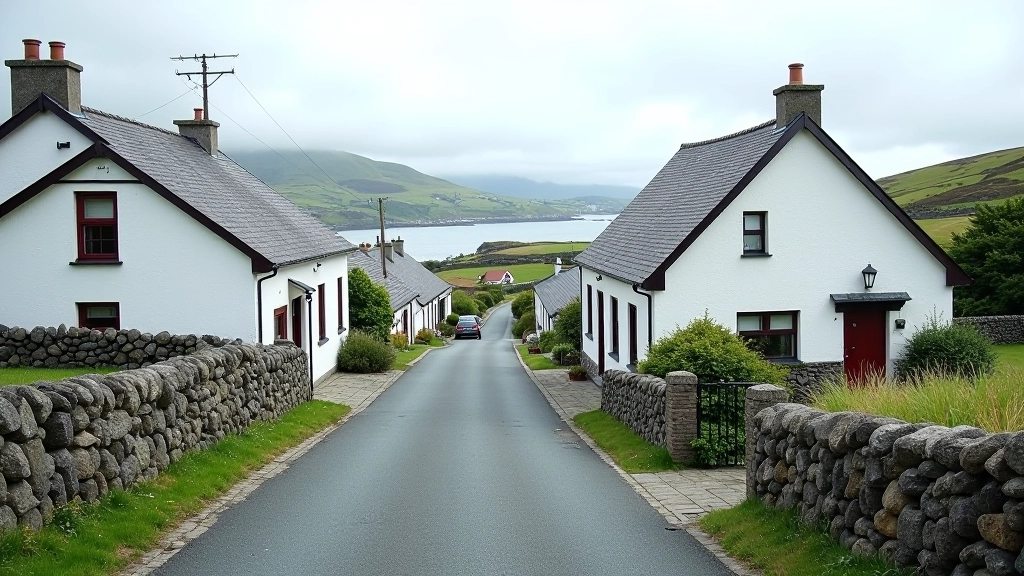
The trail starts from a small car park at the trailhead. Parking isn't extensive, but it's rarely full except during peak summer weekends. There's no visitor center or facilities at the start, so use facilities in the village before you arrive.
The path is well-maintained and clearly marked. Erosion happens in places, creating slightly muddy sections, but nothing that would stop a reasonably fit older adult. Walking poles aren't essential but plenty of people use them, particularly on the descent.
Practical Tips That Actually Help
- Start early if you're concerned about afternoon crowds. Morning light is better anyway.
- Don't skip the sunscreen. Even overcast days deliver significant UV exposure here.
- Wear proper walking shoes with ankle support. The terrain's gentle but uneven.
- The benches have no backing, so bring something small to lean against if you need lumbar support.
- If you struggle with wind, do this walk when weather's calm rather than pushing through a windy day.
The Wildlife and Natural Interest
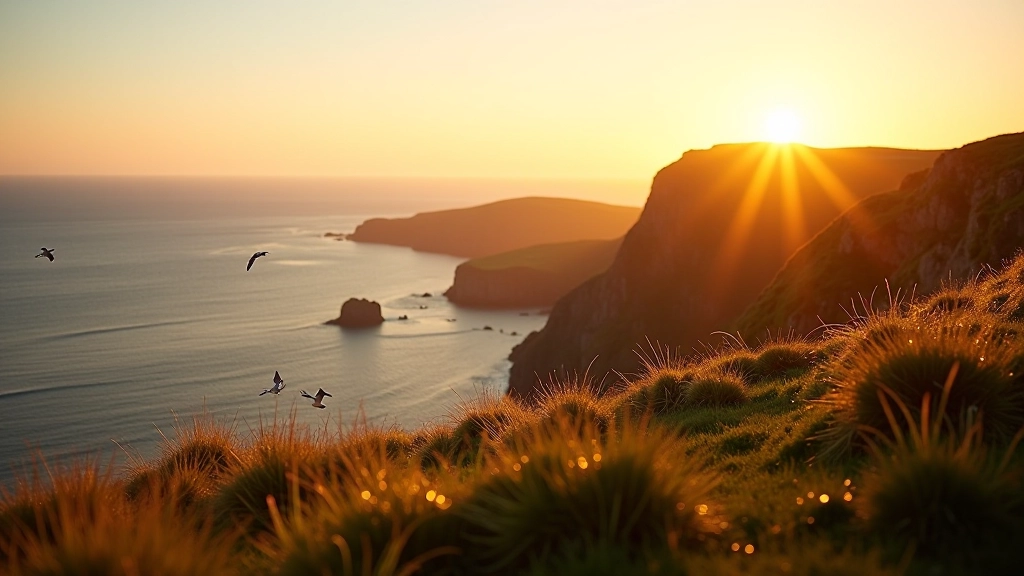
You're walking through habitat that attracts significant birdlife. Fulmar petrels nest in the cliff faces — they're spectacular to watch, particularly if you catch them gliding on the updrafts. Kittiwakes and herring gulls are common. Bring binoculars if you're interested in birds, and you'll get excellent views without disturbing the nesting colonies.
The grassland supports wildflowers depending on season. Spring brings primroses and early purple orchids. Summer offers bird's-foot trefoil and buttercups. Autumn's quieter florally but the light becomes absolutely gorgeous — golden hour starts earlier and lasts longer.
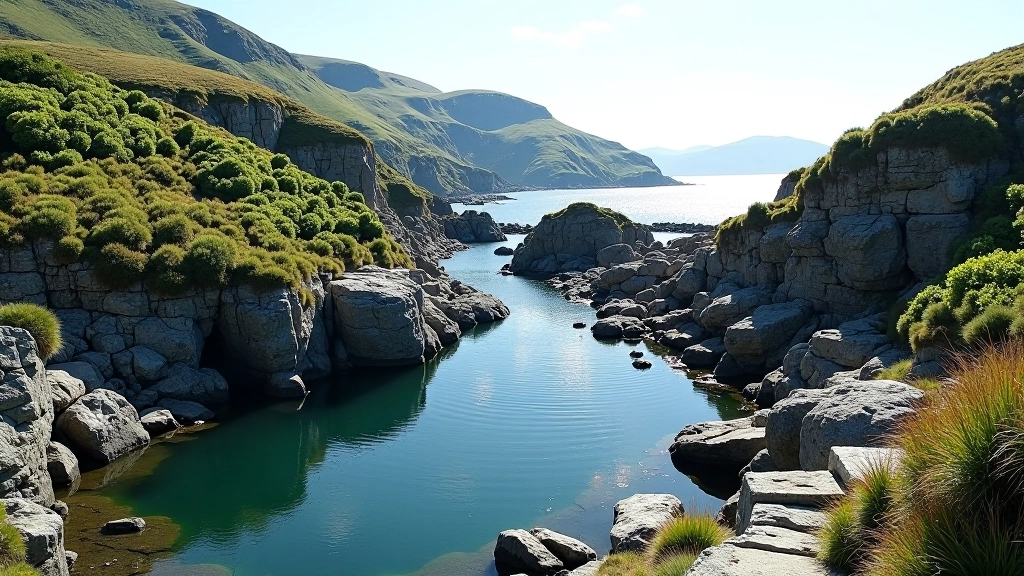
The geology here tells a story. You're looking at Old Red Sandstone formations that have been shaped by millennia of Atlantic weather. The color variations in the cliff face change with light and weather — worth noticing the differences across your visits.
Final Thoughts
The Clifftop Rest Stop Trail delivers everything a good walk for older adults should offer. It's achievable without being boring. The views are genuinely impressive. The pacing accommodates different fitness levels. You're not fighting the landscape — the design respects your needs.
We've watched walkers of all abilities complete this route. Some take it steady and spend a full 2 hours. Others move briskly and finish in 90 minutes. The beauty is you can do it at whatever pace feels right for you. That flexibility, combined with the absolute quality of the coastal scenery, makes this one of our most recommended walks on the island.
Important Information
This article provides educational information about the Clifftop Rest Stop Trail based on current conditions. Walking routes and trail conditions change seasonally and after weather events. Always check current local conditions before visiting. If you have mobility concerns or health conditions, consult with your healthcare provider before undertaking any new walking activity. The information here represents typical conditions — your personal experience may differ based on fitness level, weather, and individual circumstances.