
deftechjobs Logo Deftechjobs Contact Us

Slate Quarry Heritage Path

Explore the island's industrial past on this fascinating 1.8-kilometer trail through historic quarry grounds with interpretive signage along the way.

8 min read Beginner June 2026
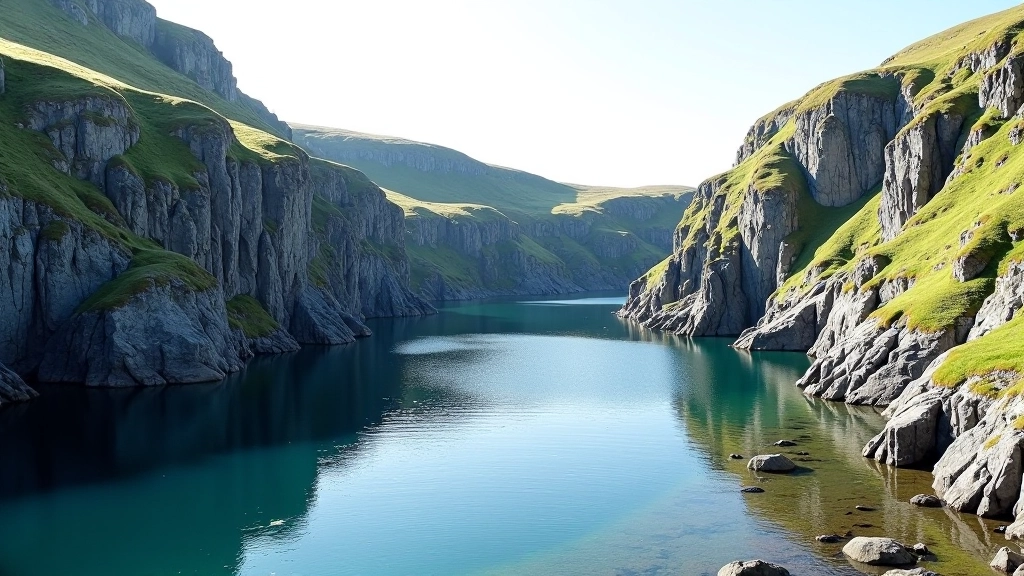
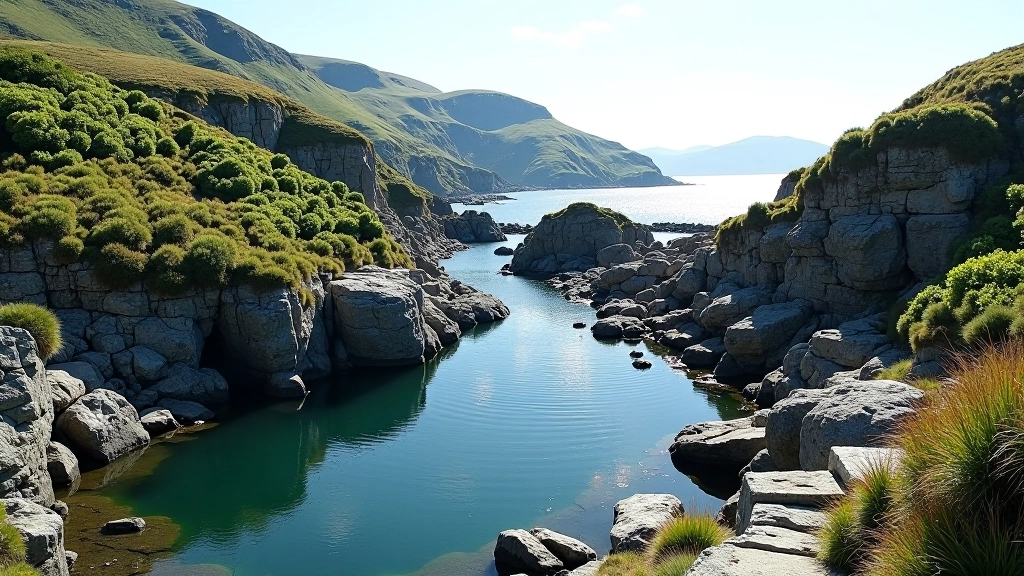
Abandoned slate quarry with water-filled pit surrounded by rocky cliff walls and green vegetation
Siobhán O'Sullivan

Author

Siobhán O'Sullivan

Senior Accessibility & Heritage Trails Editor

A Window Into Industrial Heritage

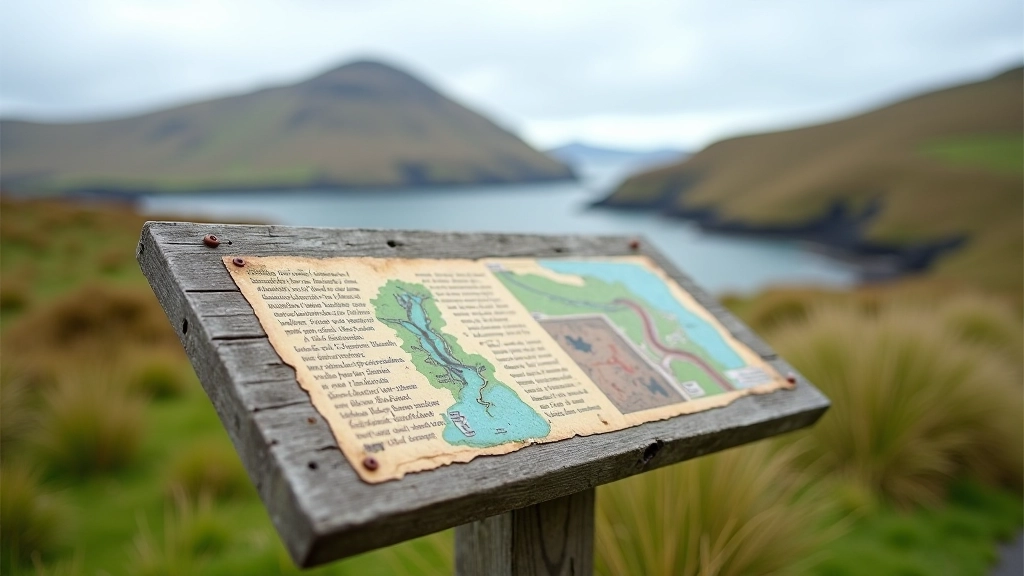
The Slate Quarry Heritage Path isn't your typical nature walk. It's a journey back in time. For over 150 years, slate was extracted from these grounds — first by hand, then with increasingly sophisticated methods. Today, you're walking through the remains of that effort. The interpretive signs scattered along the route tell stories of the workers, the techniques, and the industry that shaped this part of Valentia Island.

What makes this trail special is its accessibility. At just 1.8 kilometers with a gentle gradient, it's manageable for most older adults at a leisurely pace. You'll want to spend time here — really spend time. Stop at each signage point. Read the stories. Look at the old quarry faces where the slate was cut. The path does that rare thing: it educates without lecturing.

What You'll See Along the Way

The trail takes you through several distinct areas. You'll start near the visitor area with easier, well-maintained paths. As you progress, you'll encounter the deeper quarry sections where the rock faces are most dramatic. The water-filled pit at the lowest point is particularly striking — it's a natural consequence of decades of excavation. The contrast between the gray slate walls and the vegetation that's reclaimed the space creates an unexpected beauty.

Key Detail: The quarry produced a distinctive purple-gray slate that was shipped to mainland Ireland and beyond. You'll notice the color variations in the remaining rock faces — darker where iron oxide is present, lighter in purer sections.

There's a working slate demonstration area partway through. If you're lucky, you might catch someone demonstrating the traditional splitting technique — it's genuinely impressive to watch. The skill required to split slate cleanly along its natural grain is something you don't fully appreciate until you see it in action.

Practical Information That Actually Matters

The path is well-marked with regular signage and information boards. It's not overly crowded even in peak season — most visitors opt for the coastal walks instead. You'll have breathing room to move at your own pace.

Footwear matters here. The ground is often rocky and can be uneven. Sturdy walking shoes or boots are essential — not optional. We've seen people try it in trainers and regret it. Wear something with proper ankle support and decent grip. The terrain isn't dangerous if you're careful, but it demands respect.

There's limited shade on this route. Even on overcast days, bring sun protection. A hat and sunscreen aren't luxuries — they're necessities. Bring more water than you think you'll need. The exposed quarry areas can feel surprisingly hot, and there's no way to refill once you're on the trail.
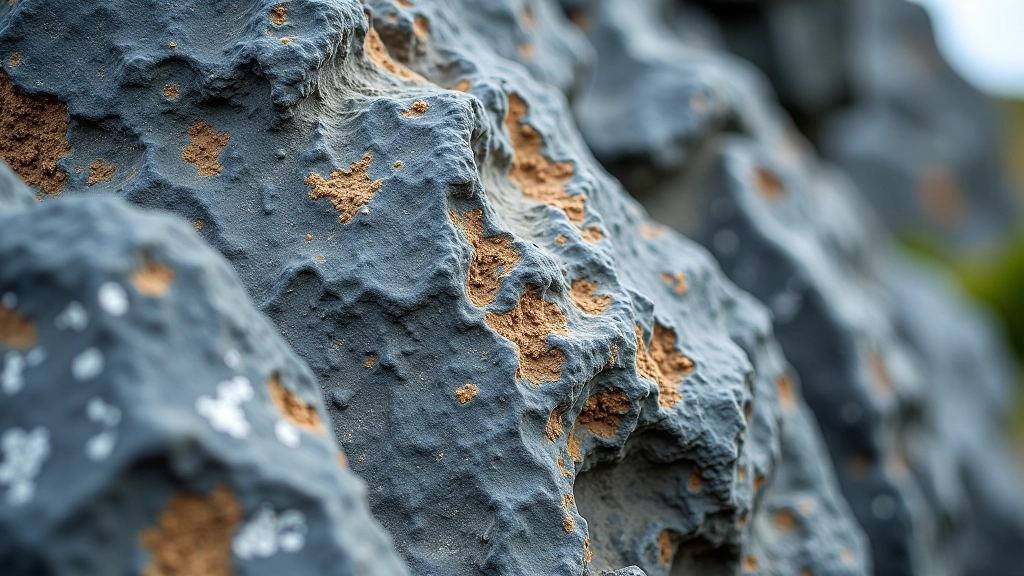
Weathered slate quarry face with horizontal striations and lichen growth, showing centuries of geological layers

Important Note: This article is for educational and informational purposes. Trail conditions, accessibility features, and facilities can change. Always check current conditions before visiting, wear appropriate footwear, and bring adequate water and sun protection. If you have mobility concerns, contact the local visitor center for specific accessibility assessments of current conditions.

The Experience & What Makes It Worth Your Time

Unlike trails that are purely about the walk itself, this one rewards you for stopping. The interpretive signage is genuinely well-written. It's not condescending or overly academic — just clear information about what you're looking at and why it matters. You'll learn about the quarry workers' lives, the technical challenges of extraction, and the environmental changes that've happened since mining stopped.

The most memorable part for most visitors is seeing how nature's reclaiming the space. Plants grow from cracks in the rock faces. The water fills old excavation areas. It's a quiet reminder that industrial scars do heal, slowly but genuinely. That's something worth contemplating as you walk.

Allow 2.5 to 3 hours for the complete experience. That includes reading signage, taking photos, and simply sitting quietly at one of the viewing points. Don't rush it. The path isn't going anywhere.

Historic interpretive sign mounted on wooden post at quarry site, with surrounding landscape visible
Water-filled quarry pit with steep slate walls reflected in still water, vegetation on cliff edges

Practical Tips That Make a Real Difference

Timing matters. Early morning visits mean fewer people and better light for photographs. The path opens from dawn, and most visitors arrive mid-morning. If you go early, you'll have the space to yourself for at least part of the walk.

Bring a walking stick or pole if you're at all uncertain about your footing. The rocky terrain responds well to having that extra contact point with the ground. It's not a weakness to use one — it's smart strategy. Many experienced hikers use them regardless of fitness level.

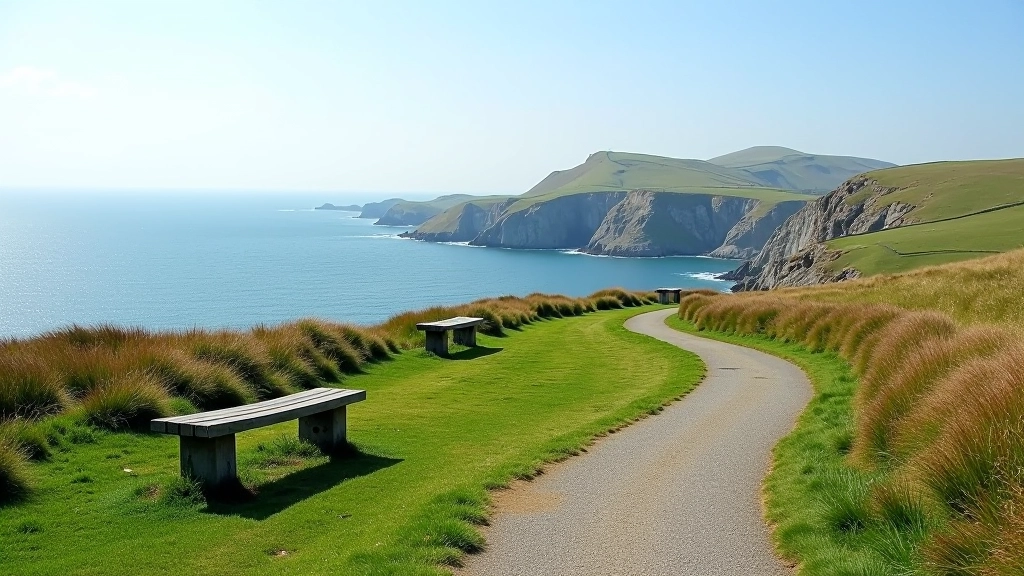
There's a small parking area near the start, and the initial access path is paved and relatively level. Once you commit to the full trail, the terrain gets rougher, but you'll know exactly what you're getting into before you go too far. It's easy to walk just the first 400 meters and turn back if you're not feeling it that day.

Don't miss the smaller side paths that branch off from the main route. They're marked and safe, leading to quieter viewing areas where you can sit and absorb the atmosphere. These spots are where the real magic happens — away from the main path, with just you and the landscape.

Worth the Visit

The Slate Quarry Heritage Path offers something increasingly rare: a place where you can exercise, learn history, and connect with landscape all at once. It's not a challenge walk, and it's not pure nature tourism. It's somewhere in between — thoughtfully designed to be accessible while still feeling authentic and real.

For older adults seeking trails that engage the mind as well as the body, this one delivers. You'll come away knowing more about the island's history, understanding the human effort that shaped this landscape, and having taken a solid walk without excessive strain. That's a rare combination, and it's why locals keep coming back.

Ready to explore more of Valentia Island's walking routes? Check out the other trails in the Island Loop series — each offers its own distinct character and experience.